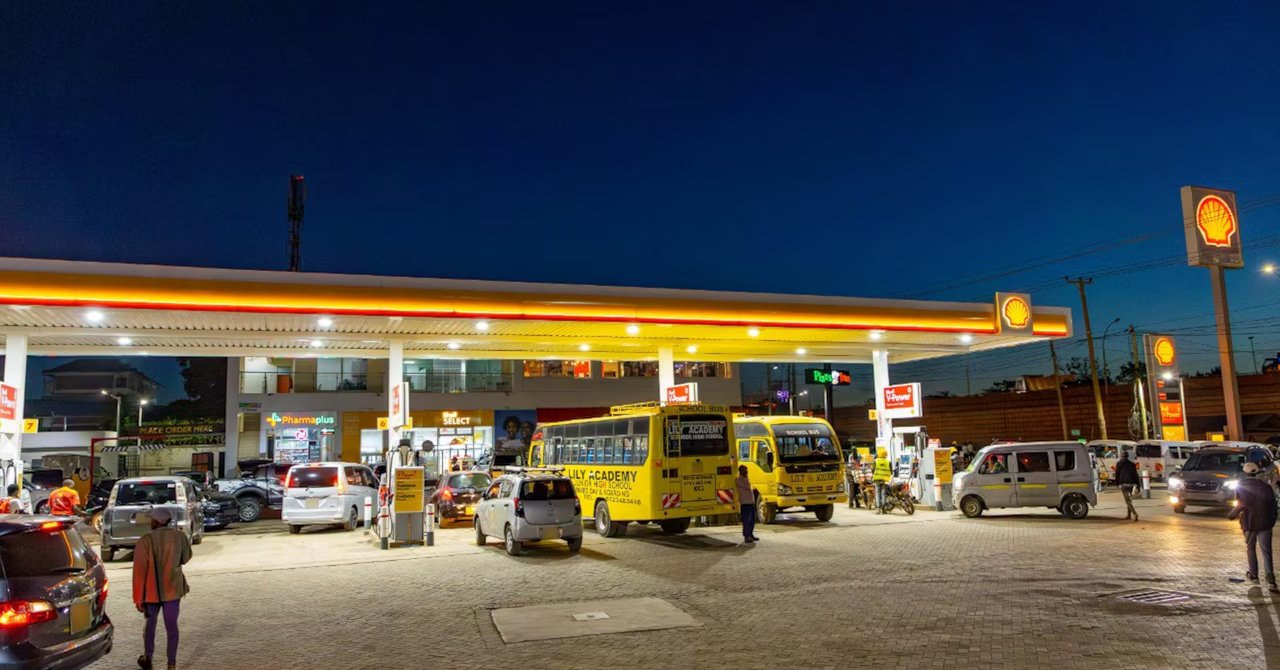
Kenya’s fuel supply may be stable for now, but a looming crisis is casting a long shadow over the country’s economic landscape. With the war in the Middle East driving global oil prices upward, the country faces the inevitable reality of higher fuel prices by mid-April 2026.
In a candid statement on April 2, National Treasury and Economic Planning Cabinet Secretary John Mbadi warned that the impact of the escalating conflict in the Middle East would soon be felt at the pump. "By mid-April, we are likely to see fuel prices come under pressure due to the rising cost of global oil," he said.
AutoBuzz Motors
Locally Used cars | Clean Rides, Unbeatable Price!
While the government remains confident that the current pricing cycle, covering March 15 to April 14, will not be affected—thanks to the fact that the fuel was delivered prior to the conflict—the situation beyond that looks uncertain. Fuel prices, especially for diesel and petrol, are expected to spike as the market adjusts to the unfolding geopolitical crisis.
Cushioning the Blow: Government's Short-Term Response
To mitigate the impact of rising fuel costs, the government has committed to using the country’s Petroleum Development Levy—currently holding Ksh. 17 billion—to stabilize pump prices for the next three months. This short-term relief aims to shield consumers from dramatic price hikes, though Mbadi made it clear that the intervention will not last indefinitely.
"In the event of a Ksh. 60 per litre increase, particularly for diesel, we could remove VAT from that price, bringing it down to about Ksh. 51 per litre. We would then tap into the stabilization fund to moderate these increases," Mbadi explained. However, he noted that the exact details of how much the fund will cover are a matter for the Energy and Petroleum Regulatory Authority (EPRA) to announce in the coming weeks.
While the government seeks to ease the burden on consumers, it also acknowledged the reality that rising fuel prices could exert significant pressure on the broader economy.
Stable Supply—For Now
For the moment, the government insists that fuel supply remains stable, with stock levels standing at 16 days for petrol, 19 days for diesel, and 49 days for kerosene. These supplies are expected to last through the early weeks of April, with fresh shipments scheduled to arrive from less-impacted regions like Europe and India.
"Our suppliers, particularly those we have government-to-government agreements with, are sourcing from unaffected regions," said Mbadi. This, he added, will ensure that Kenya’s fuel stockpiles remain stable in the short term.
Akili Book Shop
Smart People Read Great Books
We have great e-books for smart brains. Buy with Mpesa/Airtelmoney or Card and Get a copy in your email INSTANTLY!
However, the country is not out of the woods yet. As the crisis continues, the likelihood of rising fuel prices and further supply chain disruptions grows. Mbadi's warning is clear: while the immediate fuel supply situation is under control, long-term stability is uncertain.
Beyond Fuel: Economic Ripple Effects
The impact of the Middle East conflict goes far beyond the petrol pump. Kenya’s livestock export market has already been severely affected, leading to an estimated loss of Ksh. 250 billion in revenue per week. "We have essentially lost the export market for livestock as of now," Mbadi said.
This disruption has sent shockwaves through the agriculture sector, which plays a vital role in Kenya’s economy. At the same time, aviation and logistics industries are grappling with higher operational costs due to rerouted flights and increased fuel consumption.
As global oil prices continue to rise, the ripple effects are beginning to spread. "Economic growth is at risk of slowing down," Mbadi cautioned, noting that higher fuel prices would inevitably increase transportation and production costs, which could drive inflation even higher.
The country’s currency, the shilling, may also come under pressure as demand for dollars increases to cover the cost of more expensive fuel imports. This, in turn, could strain Kenya’s foreign exchange reserves and deepen the economic challenges ahead.
The Road Ahead: A Fragile Balance
With the global geopolitical climate in flux, Kenya is facing a delicate balancing act. The government's intervention through the stabilization fund is a crucial lifeline, but it is clear that this short-term relief will not be enough to avert a deeper economic impact if the crisis persists.
As the country navigates this volatile period, the reality is that the cost of stability may soon become too high for the government to bear. In the face of rising fuel prices, economic slowdowns, and mounting inflationary pressures, Kenya is bracing for a period of heightened uncertainty—one that will require difficult choices and tough sacrifices.
The question remains: how long can the government cushion the blow before the full force of global fuel price hikes hits home? Only time will tell, but one thing is certain—the road ahead is going to be far from smooth.