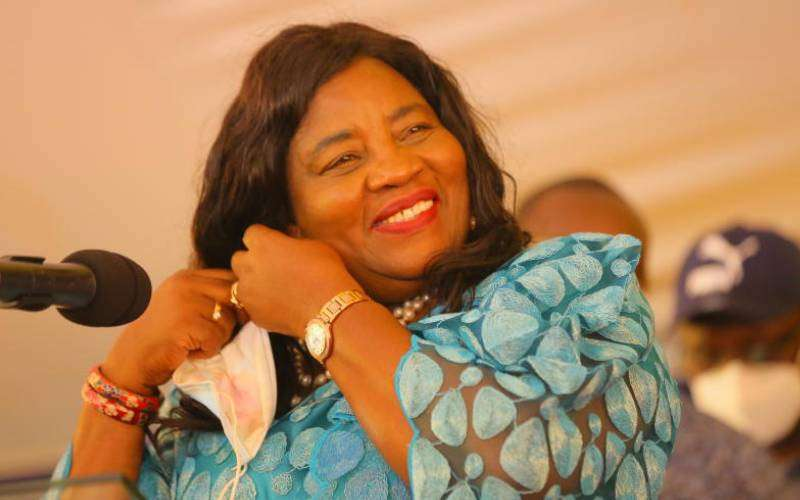
She was fired for loving a political prisoner. Rendered homeless for demanding justice. She buried a son, then a husband of five decades. And now, at 76, Mama Ida Odinga stands on the cusp of a new chapter: Kenya’s ambassador to UNEP. This is not a fairy tale. It is a testament to quiet, unyielding steel.
For decades, the name Ida Odinga has been whispered alongside the political titan who was her husband, Raila Odinga. But to reduce her to a footnote in his biography is to miss the point entirely. Her story—carved by loss, defiance, and dignity—deserves its own telling.
Born to Pioneers
Ida Betty Oyoo entered the world on August 24, 1950, into a family already breaking ceilings. Her mother, Mama Rosa Ayuya Oyoo, was Kenya’s first Black nurse, trained at the King African Rifles Hospital (later Kenyatta National Hospital). Her father, Dr. Nehemiah Oyoo, was a medical practitioner based in Kisii.
Young Ida attended Ogande Girls High School before pursuing a Bachelor of Education Arts at the University of Nairobi. There, in 1972, she met a charismatic, restless student named Raila Amollo Odinga. A love story began—one that would be forged in detention cells, police raids, and empty larders.
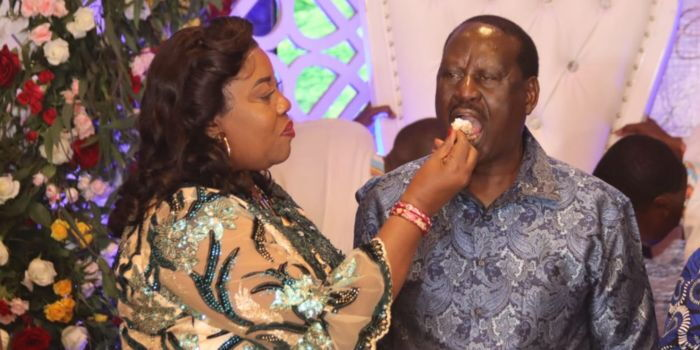
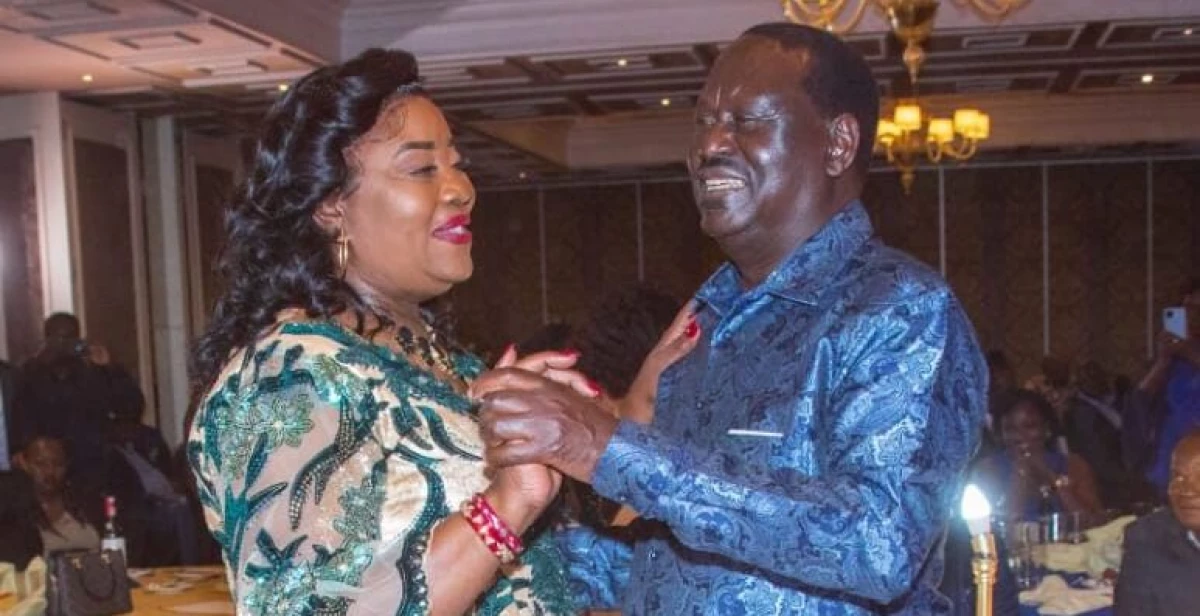
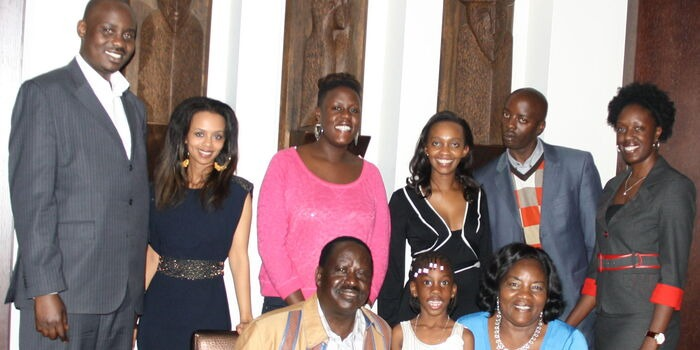
On September 1, 1973, they married. For more than 50 years, through coups, exiles, and election after disputed election, they held on. Their union produced four children: Fidel Castro (1973–2015), Rosemary (1977), Raila Junior (1979), and Winnie (1990).
The Moi Regime’s Cruel Lesson in Love
The failed coup of August 1982 changed everything. Raila was arrested, accused of involvement, and thrown into detention without trial. The Moi regime did not stop at the husband. It came for the wife.
Ida was then a respected teacher at the prestigious Kenya High School. But in 1988, she made a decision that would cost her everything: she went to court to compel the government to produce her husband. She demanded to know where he was, why he was held, and under what law.
In Moi’s Kenya, that was heresy.
Weeks later, a letter arrived. Her employment was terminated. The official reason? “Public interest.” In reality, it was punishment for refusing to be silent. Then came the eviction notice. She and her young children were made homeless—locked out of their own house.
Jobless, homeless, with her husband in a cell, and her children looking to her for answers—Mama Ida hit rock bottom. But she did not break.
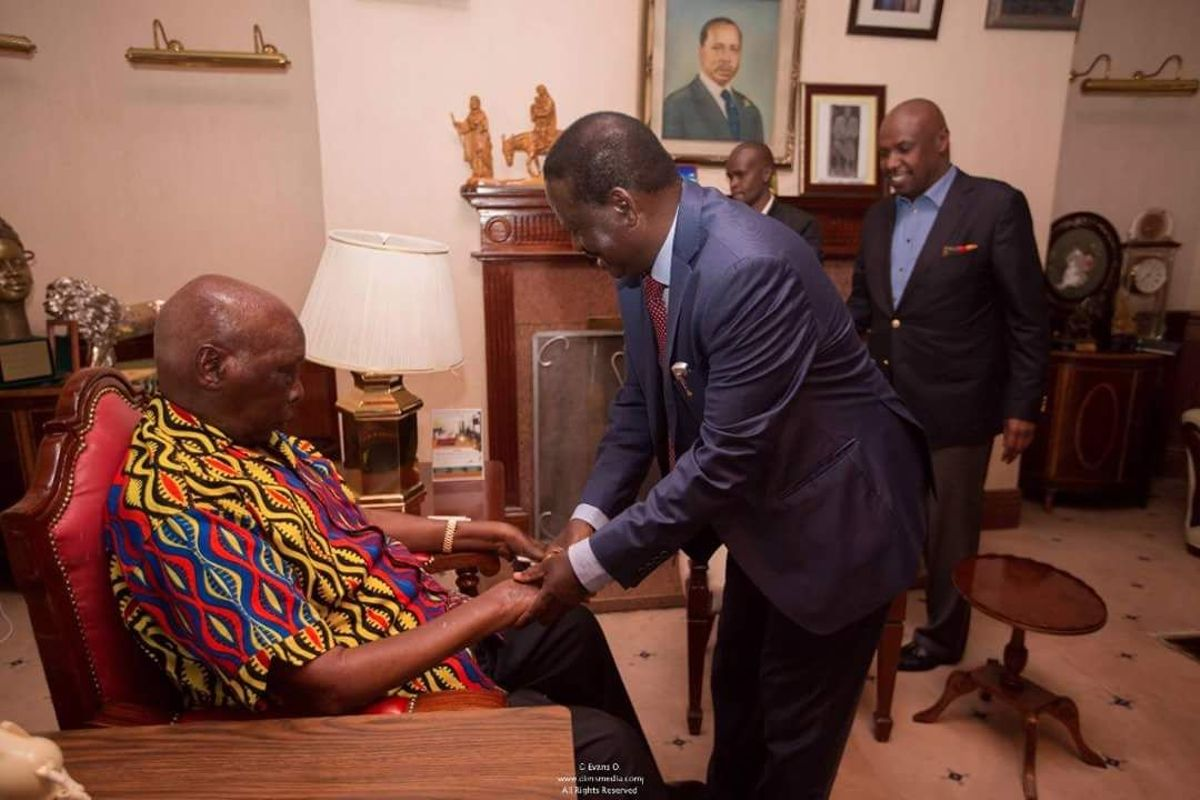
Resilience as a Weapon
She rebuilt. Not with noise, but with action. In 1991, she founded the League of Kenya Women Voters, a civic organization dedicated to gender equity and political participation for women. She became a distinguished educationist, a quiet advocate for social justice, and an unshakable pillar for her family.
Even as Raila’s political fortunes rose and fell—detention, exile, superpower diplomacy, opposition leader, Prime Minister—Ida remained the steady hand behind the curtain. She did not seek the spotlight. But when it found her, she never flinched.
The Two Graves
Grief, however, does not spare the strong.
On January 4, 2015, Ida and Raila received the news that every parent dreads. Their firstborn son, Fidel Castro Odinga, was dead. He was only 41. The cause: cardiac arrest. But for a mother, reasons do not matter. Only absence does.
In the years that followed, those close to the family saw a different Ida—quieter, more reflective, carrying an invisible weight. She spoke rarely about Fidel. But when she did, her voice cracked.
Then came October 15, 2025. Raila Odinga, the Enigma, the Agwambo, the man she had loved for more than half a century, died while receiving treatment in India. Kenya mourned a political colossus. Mama Ida buried her husband.
To lose a child and then a spouse in a single decade would break most people. She stood at the funeral—dressed in black, eyes dry, jaw set—and delivered a tribute that was less a speech and more a declaration: love endures.
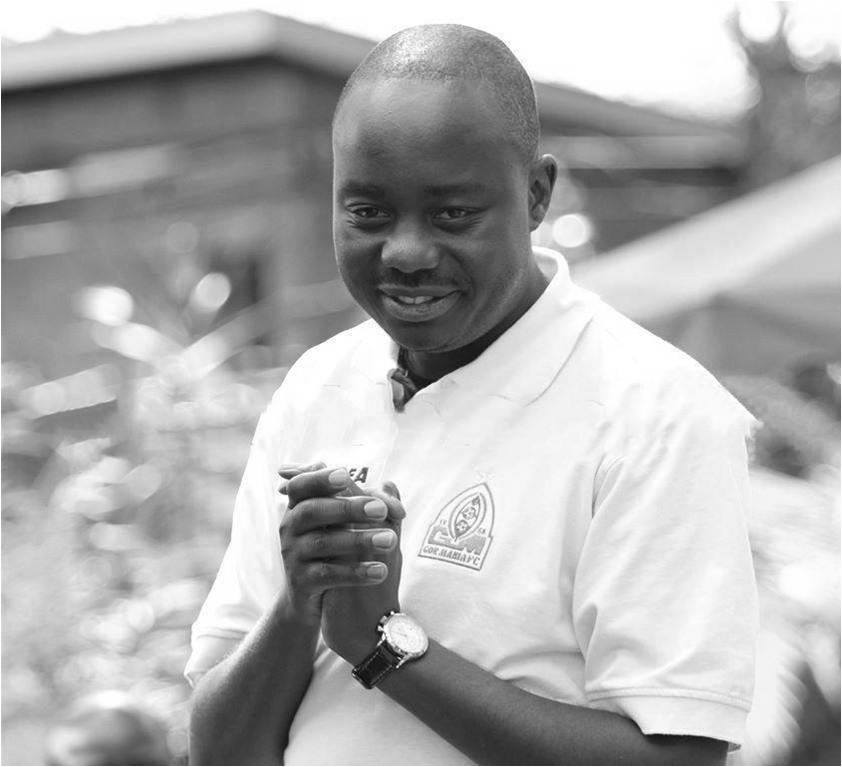
Fidel Castro Odinga
A New Chapter: Diplomacy
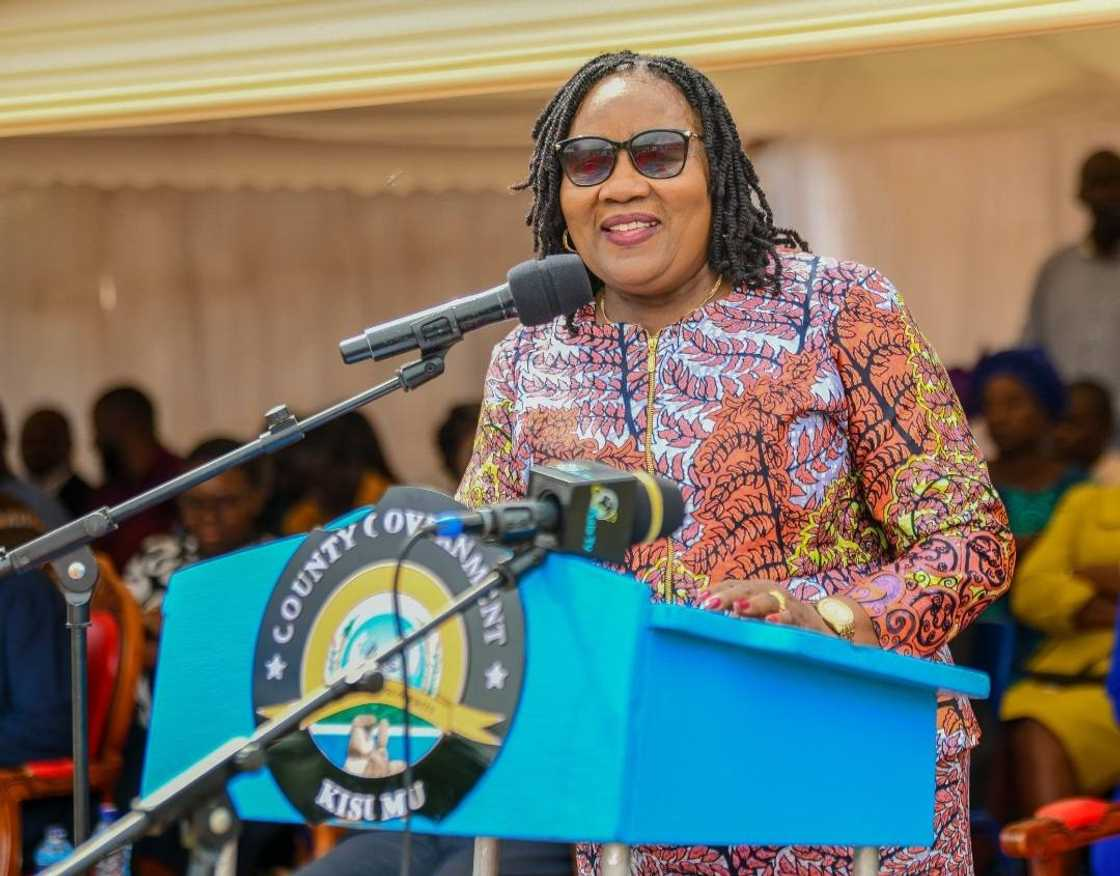
But life, even after such loss, demands continuation. In early 2026, President William Ruto transmitted to Parliament the nomination of Mama Ida Odinga as Kenya’s Ambassador and Permanent Representative to the United Nations Environment Programme (UNEP).
It is a striking move. Ruto, once Raila’s fierce political rival, now taps the widow of his opponent for a global diplomatic post. And Mama Ida—who has spent decades advocating for clean environments, sustainable communities, and women’s leadership—is eminently qualified.
If approved, she will join a growing list of the larger Odinga family appointed by Ruto: Raila’s nephew Jaoko Oburu as Special Advisor on Economic Empowerment, and Raila’s sister Dr. Wenwa Akinyi Oranga as chair of the Kenya Marine and Fisheries Research Institute.
What Her Journey Teaches
Mama Ida’s life is not merely a biography. It is a manual on survival with integrity. She was fired, evicted, harassed, widowed, and bereaved of a child. At no point did she weaponize bitterness. At no point did she abandon her dignity.
She could have fled Kenya. She could have crumpled. Instead, she planted the League of Kenya Women Voters. She raised children who became leaders. She stood beside a political giant without ever becoming his shadow.
And now, she carries Kenya’s voice to a global stage.
The struggles shaped her. The sacrifices refined her. The losses tempered her. But they did not define her. She defined herself—on her own terms, in her own time, with a quiet ferocity that Kenya is only now beginning to fully appreciate.