Before the echocardiogram, before the CT scan, there was a stethoscope, a pair of trained hands, and a simple question: “Tell me what you’ve been feeling.”
In an age of artificial intelligence and advanced imaging, the humble medical history and physical examination remain the cardiologist’s most powerful tools. They are not relics—they are the first line of defense against the world’s deadliest silent killer: heart and blood vessel disease.
The Story the Patient Tells
When a doctor “takes a history,” they are listening for a narrative—clues hidden in everyday complaints.
Chest pain is the obvious alarm. But the more treacherous signals are subtle: shortness of breath climbing stairs, a fluttering sensation in the chest (palpitations), dizziness when standing, trouble lying flat at night, or unexplained swelling in the ankles and feet. These are the body’s distress flares.

Even vague symptoms—fatigue, fever, loss of appetite, that general feeling of “something being off”—can point to a failing heart.
Then come the critical questions a skilled physician never skips:
Have you had high blood pressure, diabetes, or high cholesterol?
Do your legs cramp painfully after walking a block? (That’s peripheral artery disease until proven otherwise.)
What’s your family history? Heart disease is often inherited.
Do you smoke, drink, or use supplements? Honesty here saves lives.
The Physical: Reading the Body’s Map
The examination is a meticulous search for hidden signatures.
Vital signs come first. Blood pressure is the obvious headline, but a low temperature or rapid breathing rate can signal infection or heart failure.
Then, the eyes. Using an ophthalmoscope, doctors peer at the retina—the only place in the body where veins and arteries are visible directly. Here, the damage from hypertension, diabetes, or even infected heart valves (endocarditis) reveals itself.
Neck veins tell another story. With the patient reclining at 45 degrees, distended, bulging neck veins mean one thing: pressure is backing up in the right side of the heart.
Palpation follows. A hand on the chest feels the heartbeat’s force and location. An enlarged heart or a vibration—called a thrill—suggests turbulent blood flow.
Auscultation—listening with a stethoscope—is an art. The classic “lub-dub” is the sound of valves closing. But a whooshing murmur indicates turbulent flow through a narrowed or leaky valve. Not all murmurs are dangerous (pregnancy and childhood often produce harmless ones). However, a gallop rhythm—three sounds per beat like a horse’s hooves—often signals heart failure.
Doctors also listen over arteries in the neck, abdomen, and groin for bruits—another sound of narrowing that can predict a stroke or aneurysm.
The legs and abdomen are last. Pressing a finger over swollen ankles leaves a dent (pitting edema) from fluid backup. An enlarged liver or fluid in the belly suggests the heart is failing as a pump.
When the Doctor Sends You Home with a Monitor
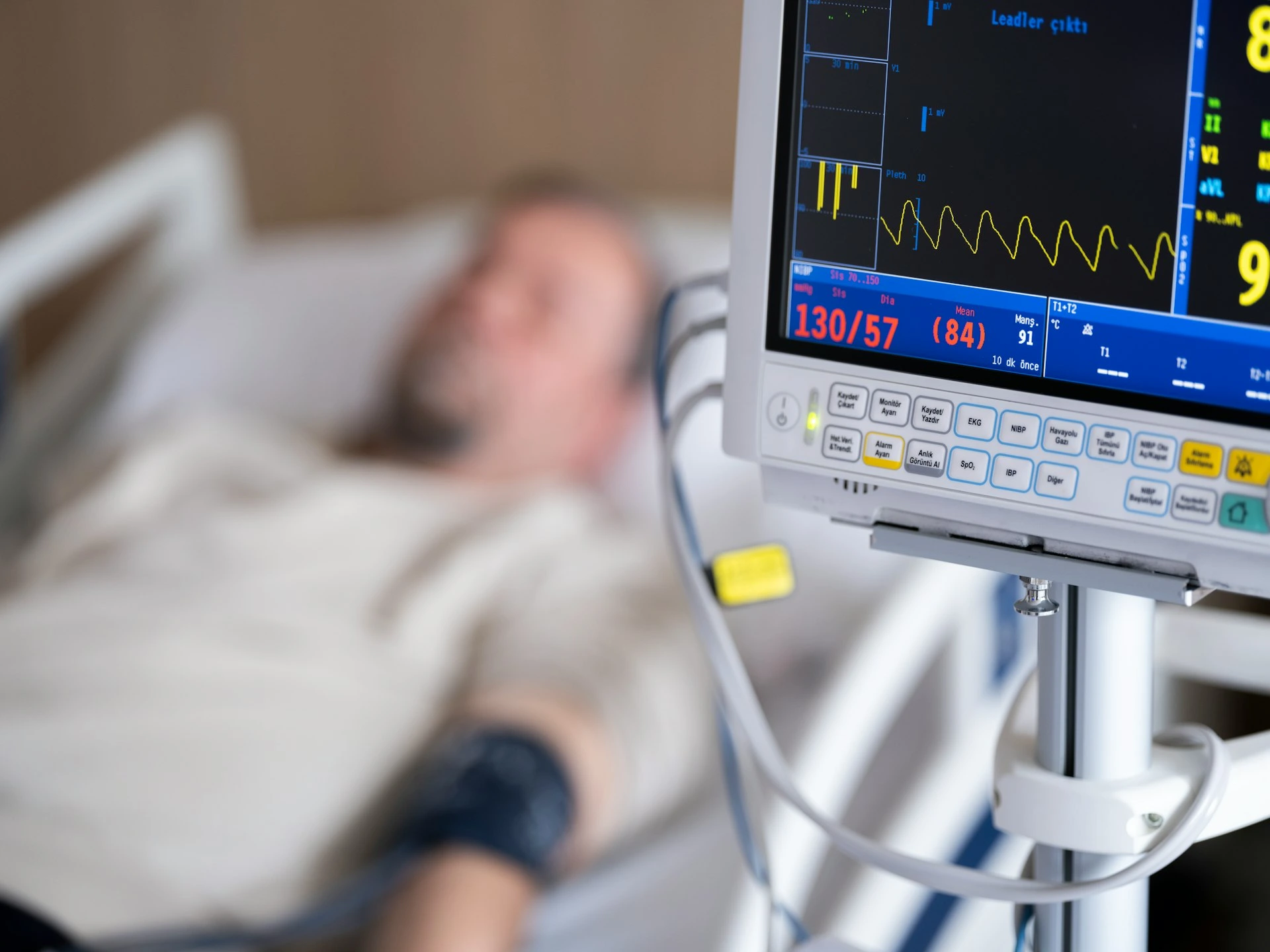
Sometimes, one office blood pressure reading isn’t enough. If measurements vary wildly, physicians may prescribe a 24-hour ambulatory monitor—a portable device worn on the hip, connected to a cuff. It records pressure every 30 minutes, day and night, unmasking “white coat hypertension” or revealing dangerous nighttime spikes.
Home monitors (wrist or upper-arm cuffs) empower patients. They are not as precise as clinical devices, but they provide a treasure trove of daily data, helping doctors fine-tune medications without repeated office visits.
The Bottom Line
Technology will never replace the diagnostic power of a careful history and a thorough physical exam. The best cardiologists are detectives—listening, feeling, and seeing what machines might miss.