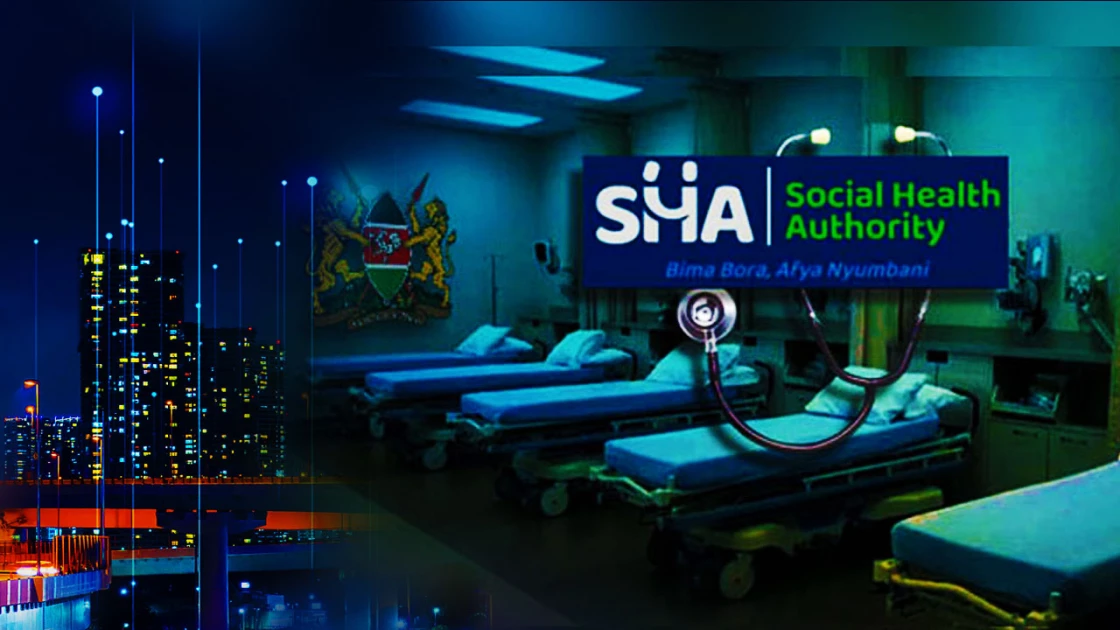
A storm is gathering in Kenya’s education sector—and at its centre are teachers who say they have been pushed to the edge.
Across the country, educators are warning of a looming nationwide strike, set to begin at the end of April, unless urgent action is taken to fix what they describe as a failing medical scheme and a deepening staffing crisis.
www.hypermax.digital
CURRENT AFFAIRS, BUSINESS & SPORTS MAGAZINE
At the forefront of the standoff is the Kenya Union of Post-Primary Education Teachers, whose officials in Bungoma County have sounded one of the clearest alarms yet. Their message is blunt: the situation is no longer sustainable.
Speaking in Kabuchai Constituency, union leaders painted a stark picture of life under the new healthcare system managed by the Social Health Authority. Despite promises of comprehensive coverage, teachers say access to medical services has become painfully limited.
AutoBuzz Motors
Fresh Imports | Clean Rides, Unbeatable Price!
In Bungoma, only a handful of hospitals are currently attending to teachers—a reality that has turned routine healthcare into a struggle.
Ferdinand Wamalwa, the county’s KUPPET representative, did not mince words.
“If this issue is not resolved, we will have no choice but to act,” he warned, signalling a readiness to mobilise teachers into a full-scale industrial action. The union has given the government a narrow window—this school holiday—to fix the system or face a shutdown that could keep students out of classrooms when the next term begins. But healthcare is only part of the crisis.
AutoBuzz Motors
Kenya used vehicles on sale | Clean Rides, Unbeatable Price!
Akili Book Shop
Smart People Read Great Books
We have great e-books for smart brains. Buy with Mpesa/Airtelmoney or Card and Get a copy in your email INSTANTLY!
Teachers are also pointing to a chronic shortage of staff, which they say has quietly stretched the profession to breaking point. The burden, they argue, lies squarely with the Teachers Service Commission, accused of failing to recruit enough educators to match growing demand.
The result is a workforce grappling with heavier workloads, longer hours, and mounting pressure—conditions that are steadily eroding morale across schools.
The controversy traces back to December 1, 2025, when teachers were transitioned to the new SHA medical scheme following consultations involving KUPPET, the Kenya National Union of Teachers, TSC, and government officials. The scheme was billed as a major upgrade, promising wide-ranging benefits—from outpatient and inpatient services to dental, optical, and even overseas treatment.
On paper, it was a comprehensive safety net.
On the ground, teachers say it has fallen short.
Reports of limited hospital access, delays in treatment, and confusion within health facilities have become increasingly common, fuelling frustration and mistrust. For many educators, the promise of better healthcare has instead become a source of daily anxiety.
Now, with the clock ticking toward the next school term, the stakes are rising.
A nationwide strike would not only disrupt learning for millions of students but also expose deeper structural cracks within the education system—cracks that have long been widening beneath the surface.
For the government, the coming weeks present a critical test: resolve the grievances or risk an education standstill.
For teachers, the message is already clear—they are done waiting.