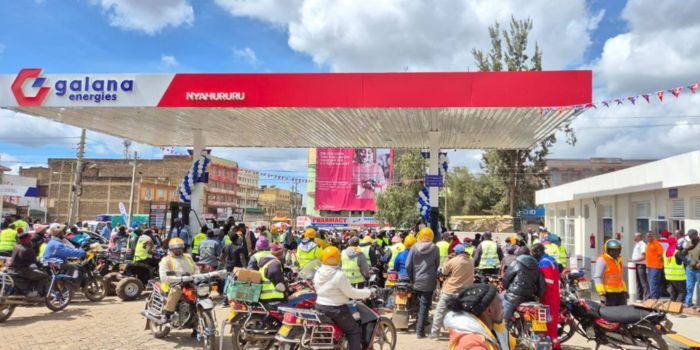
As fuel queues lengthen and pumps fall silent across parts of the country, the Kenya Pipeline Company (KPC) is pushing back against growing public alarm, insisting that Kenya’s fuel reserves remain robust and capable of meeting both current and future demand.
www.hypermax.digital
CURRENT AFFAIRS, BUSINESS & SPORTS MAGAZINE
In a statement released Wednesday, the state corporation sought to calm nerves, maintaining that all its storage terminals and depots are fully stocked with petroleum products that meet stringent national and international quality standards.
“We wish to assure the public that there is sufficient fuel in all of our terminals and depots,” KPC said, dismissing fears triggered by widespread reports of dry pumps and long queues in multiple counties.

Clarity. Healing. Strength.
Confidential, high-quality psychological support in Kenya—designed to help you navigate life’s pressures with calm, clarity, and control.
Feeling overwhelmed or unheard? Step into a private, supportive space where your voice matters and your healing begins.
Led by Certified Therapist Rebecca Wanyonyi, offering discreet, client-centered care tailored to your journey.
LiveWell Consultancy
Private • Confidential • Judgment-Free
Stocks Tell One Story, Stations Another
Official figures released by KPC as of April 8 paint a picture of abundance rather than scarcity.
At the coastal hub in Mombasa, the Kipevu Oil Storage Terminal holds tens of thousands of cubic metres of super petrol, diesel, and jet fuel. Meanwhile, the Kenya Petroleum Refineries reports even larger volumes in reserve.
Inland, the Nairobi terminal—critical to the capital’s supply chain—also maintains substantial stocks, alongside depots in Nakuru, Eldoret, and Kisumu, all said to be adequately supplied.
Akili Book Shop
Smart People Read Great Books
We have great e-books for smart brains. Buy with Mpesa/Airtelmoney or Card and Get a copy in your email INSTANTLY!
Kisumu, in particular, is described as well-positioned to meet demand across the western region, underscoring what KPC portrays as a stable and well-distributed national reserve.
The Missing Link: Distribution
Yet, on the ground, a different reality is unfolding.
At least 13 counties are grappling with fuel shortages, with Eldoret emerging as one of the hardest hit—over 20 stations reportedly shut. Motorists in Machakos, Embu, Isiolo, Nanyuki, and even Mombasa are enduring long queues or finding pumps completely dry.
The disconnect between healthy reserves and empty forecourts is raising pressing questions about distribution bottlenecks, logistics, or supply chain inefficiencies—issues KPC has yet to directly address.
AutoBuzz Motors
Fresh Imports | Clean Rides, Unbeatable Price!
A Strategic Lifeline
At the heart of Kenya’s fuel supply system lies KPC’s expansive 1,342-kilometre pipeline network, stretching from the Port of Mombasa to inland depots. Backed by storage capacity exceeding one billion litres, the infrastructure is designed to shield the country from supply shocks.
According to Acting Managing Director Pius Mwendwa, that system remains fully operational.
“The fuel stocks are sufficient to meet current and projected national demand, with continuous product movement and replenishment,” he said.
A Test of Confidence
Even as officials project confidence, the lived experience of motorists tells a more complicated story—one where supply exists, but access falters.
For now, Kenya finds itself in a familiar tension: reassured by numbers, but unsettled by reality.
Whether this is a temporary logistical hiccup or a deeper systemic strain may soon determine not just fuel availability—but public trust in the institutions tasked with keeping the country moving.