A political storm is brewing between Orange Democratic Movement and The Standard Group, after the party forcefully rejected claims that it spent over KSh100 million to ferry thousands of delegates to its recent Special Delegates Conference.
In a sharply worded statement issued on Sunday, March 29, ODM’s Director of Campaigns and Elections, Junet Mohamed, dismissed the report as “false, baseless, and misleading,” accusing the media house of prioritising sensationalism over accuracy.
At the heart of the dispute is a report by The Sunday Standard, which alleged that more than 6,000 delegates were transported to Nairobi for the party’s March 27 conference—at a staggering cost exceeding KSh100 million. The publication further claimed that delegates received varying payouts depending on their regions.
ODM, however, insists the figures are not just inflated—but impossible.
“The ODM Constitution is explicit,” Junet stated. “The National Delegates Conference is capped at 3,000 accredited members. Any figure beyond that is unlawful. So where did the 6,000 come from?”
Smart People Read Great Books
We have great e-books for smart brains. Buy with Mpesa/Airtelmoney or Card and Get a copy in your email INSTANTLY!
The party framed the report as a deliberate attempt to undermine its credibility at a critical political moment, arguing that such claims reflect a “reckless disregard for facts.”
Beyond the numbers, the financial allegations have proven equally contentious. The report suggested that each of the alleged additional delegates received KSh30,000 to cover transport, accommodation, and meals—an assertion ODM flatly denies.
Junet warned that framing the conference as an exercise in financial excess and regional mobilisation risks distorting the party’s identity and achievements.
“These narratives are irresponsible and intended to mischaracterise the strength and structure of ODM,” he said.
Instead, the party urged Kenyans to focus on the substantive outcomes of the conference, which saw key leadership changes ratified. Among them was the elevation of Oburu Odinga as party leader, alongside the election of Gladys Wanga as chairperson. Governors Simba Arati and Abdulswamad Nassir were named deputy party leaders.
Yet even as ODM projects unity, cracks within its ranks were on display.
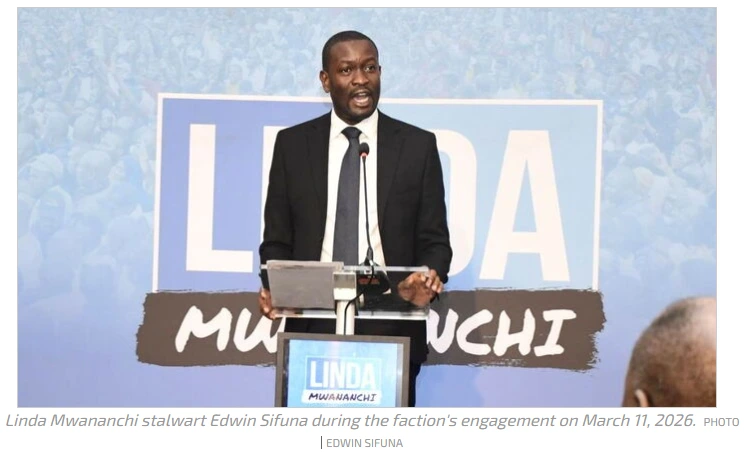
Several high-profile figures—including Godfrey Osotsi, Edwin Sifuna, James Orengo, and Babu Owino—skipped the event. In a dramatic show of dissent, a rival faction aligned under the “Linda Mwananchi” banner staged a parallel gathering, branding it the “People’s NDC” and accusing the party leadership of procedural irregularities.
The clash between ODM and The Standard comes at a delicate time for the media house. Communications Authority of Kenya has recently threatened regulatory action over financial obligations, while the Media Council of Kenya has raised concerns about editorial standards, including allegations of sensational headlines.
In this unfolding contest between political power and media scrutiny, the truth appears caught in a familiar crossfire—where numbers are contested, narratives weaponised, and public trust hangs in the balance.