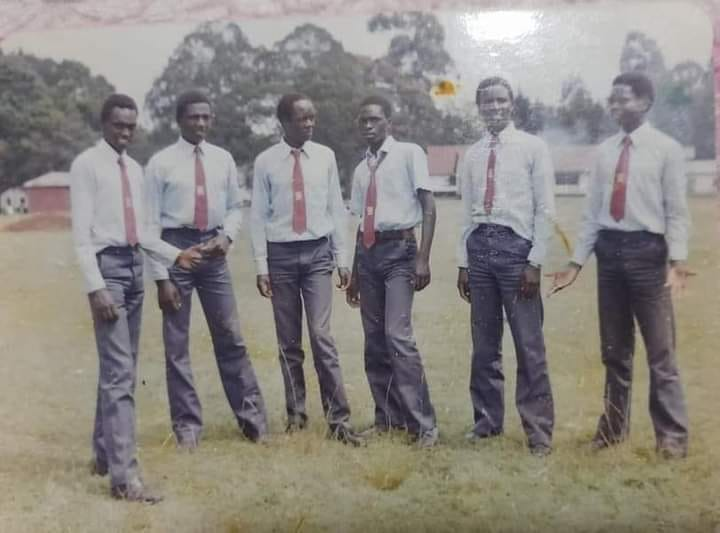
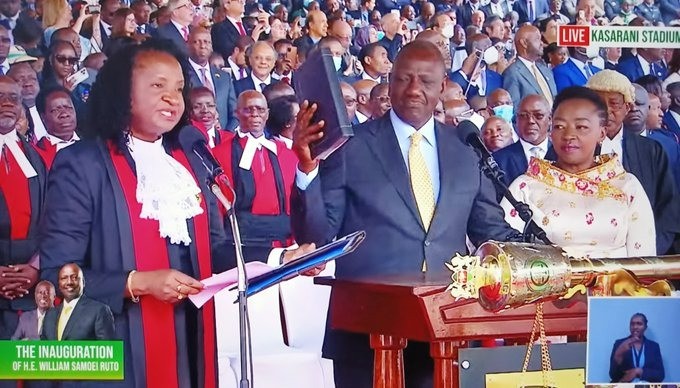
NAIROBI – On a crisp Tuesday morning, September 13, 2022, a farmer’s son from Sambut village placed his hand on the Bible and became the fifth President of the Republic of Kenya. The oath William Samoei Ruto took wasn’t just a transfer of power. It was the culmination of a 25-year political odyssey that defied dynasties, survived opposition wilderness, and redefined what hustler ambition looks like in East Africa’s largest economy.
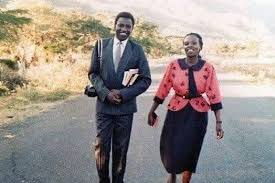
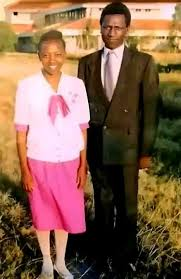
For the first time since the dawn of multi-party democracy in Kenya, a sitting Deputy President successfully unseated his own boss’s preferred candidate. Not through violence. Not through court petitions. Through sheer, relentless, mathematical and surgical mobilization of Kenya’s everyday millions.
This is the story of how Dr. Ruto – plant ecologist, former chicken farmer, and political survivor – built a winning coalition from the ground up.
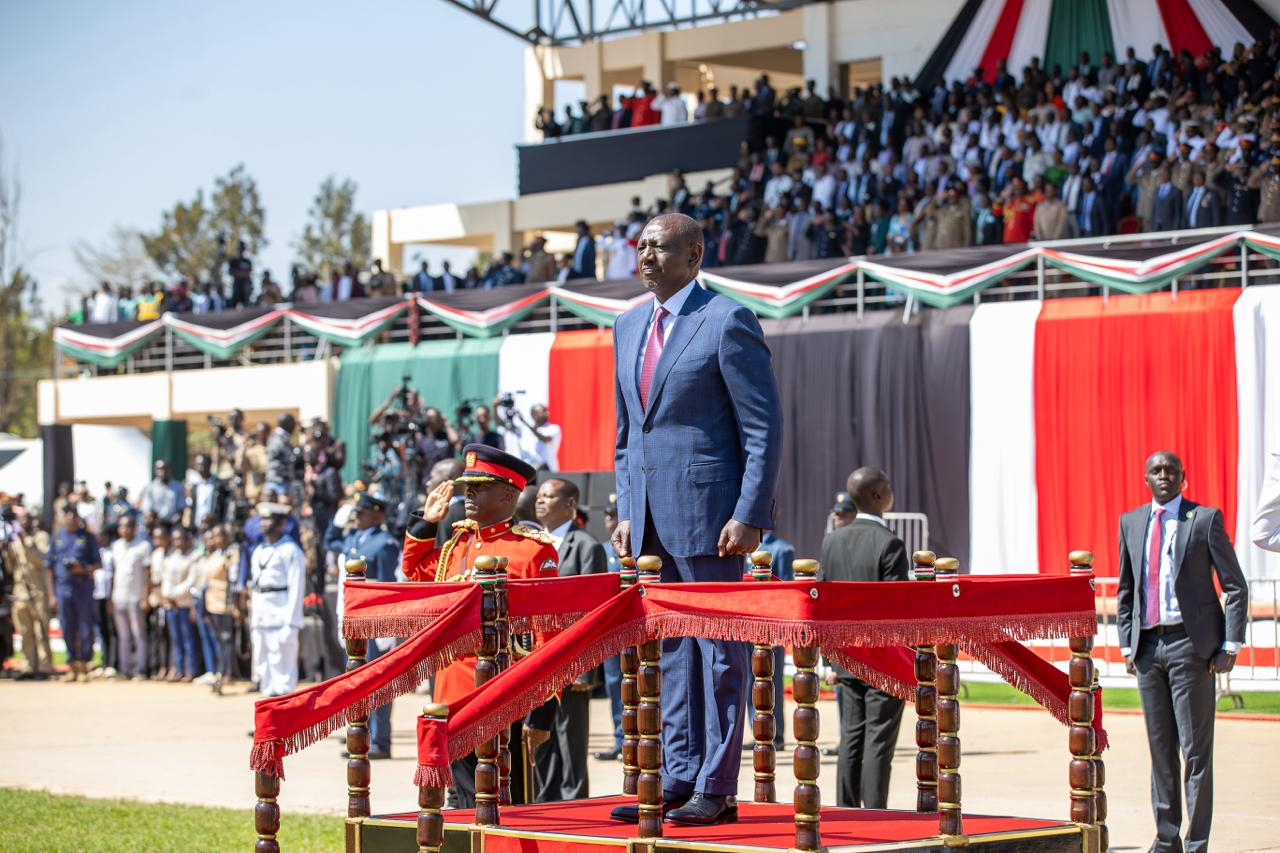
The Unprecedented Prize
On August 9, 2022, the Independent Electoral and Boundaries Commission (IEBC) declared Ruto the winner of a tense, three-horse presidential race. Running under the United Democratic Alliance (UDA) – the anchor party of the Kenya Kwanza Alliance – he polled 7,176,141 votes (50.49%), narrowly defeating the seasoned Raila Odinga.
What made the victory historic wasn’t the margin. It was the path. No Deputy President in Kenya’s history had ever directly ascended to the presidency through an election. Ruto didn’t inherit a political dynasty. He wasn’t an anointed successor. He was, until his final year as DP, publicly sidelined by his own boss, President Uhuru Kenyatta.
And yet, he won.
The secret? A campaign framed around one word: hustler. Ruto successfully branded the 2022 contest as a revolt of the jobless, the small-scale trader, the boda boda rider, and the mama mboga against what he called “dynastic” politics. His message wasn’t complex. It was visceral: the economy must work for the many, not the few.
From the Maize Farm to Parliament
To understand the president, first visit Kamagut Location, Uasin Gishu County. December 21, 1966. A boy named William is born into a humble peasant family. He attends Sambut Primary School, then Wareng Secondary School in Eldoret, before finishing his ‘A’ Levels at Kapsabet High in Nandi County.
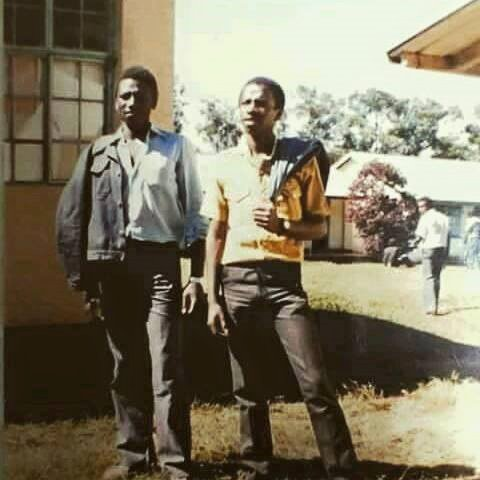
At the University of Nairobi, he studies Botany and Zoology. But biology wasn’t his only classroom. Even as a student, Ruto displayed the networking chutzpah that would later define his politics. He sold chickens and eggs to make ends meet – a biographical detail he’d resurrect decades later to mock elitist rivals.
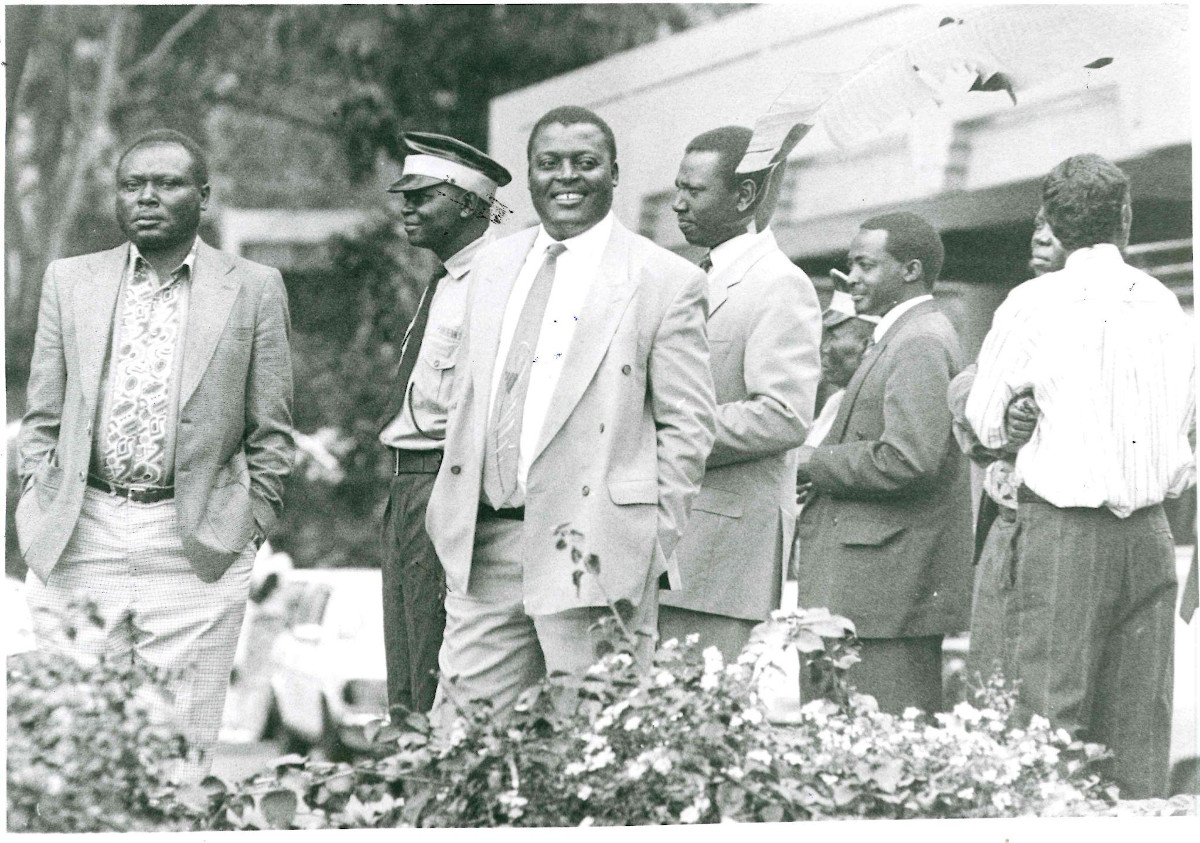
Elected Member of Parliament for Eldoret North in 1997 on a Kenya African National Union (KANU) ticket, Ruto was just 31 years old. Young, raw, and fiercely ambitious. He served three consecutive terms (1997–2013), learning the brutal arithmetic of coalition politics.
The turning point came in 2002. Ruto was a key campaigner for Uhuru Kenyatta under KANU. They lost spectacularly to Mwai Kibaki’s National Rainbow Coalition. For many politicians, that defeat would have ended a career. For Ruto, it became a masterclass in opposition strategy.
During that wilderness period, he was appointed Chairman of the Parliamentary Select Committee on Constitutional Reform – the 9th Parliament’s engine room that helped steer Kenya toward the landmark 2010 Constitution. It was his first national-level governance role, and he delivered.
In 2005, he was elected KANU Secretary General. The party was bleeding influence, but Ruto was learning to build structures from the ashes.
The Ministries That Mattered
Not many presidents can claim to have run both Agriculture and Higher Education. Ruto can – and both tenures produced concrete results.
As Minister for Agriculture (2008–2011) within the grand coalition government formed after the 2007/08 post-election violence, Ruto revived moribund irrigation schemes. He pushed for affordable fertilizer, directly targeting smallholder farmers. He wrestled with the maize, sugarcane, coffee, and tea sectors – each a political minefield – to boost productivity and secure market access. Farmers in the Rift Valley remember this period as one of relative stability.
Later appointed Minister of Higher Education, Ruto shifted the conversation from mere degree-chasing to skills acquisition. He argued, controversially for some, that a university education without marketable skills was gentrified unemployment. It was a preview of his later “bottom-up” economic philosophy.
The PhD in the State House
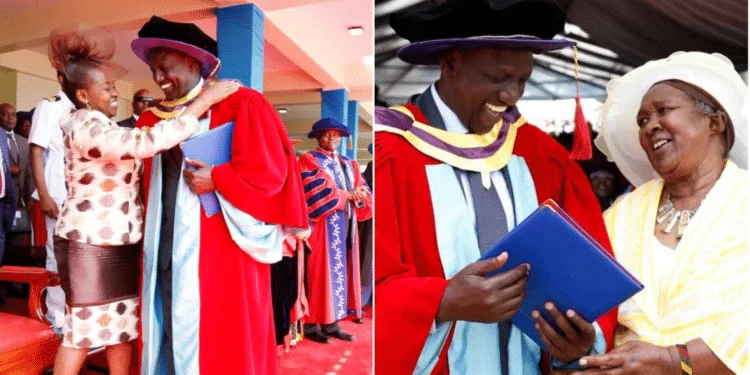
In December 2018, while serving as Deputy President, Dr. Ruto added an unusual credential to his name: a Doctor of Philosophy in Plant Ecology from the University of Nairobi. He had already earned a Master of Science in the same field in 2008.
Why does this matter? Because Ruto is one of the few African heads of state to hold a science-based doctorate obtained after entering high office. His dissertation research on plant ecology wasn’t ceremonial. It required field data, statistical rigor, and a multi-year commitment.
For a leader whose critics once dismissed him as a “village politician,” the PhD became an intellectual shield. And for his supporters, it was proof that the hustler never stops learning.
The Jubilee Years: Alliance, Power, and Rift
In 2012, Ruto and Uhuru Kenyatta did something that would reshape Kenyan politics. They formed the Jubilee Alliance – a merger of Ruto’s United Republican Party (URP) and Kenyatta’s The National Alliance (TNA). The coalition won the 2013 elections and then repeated the feat in 2017.
For nearly a decade, Ruto served as Deputy President. He was a loyal ally, a formidable fundraiser, and a relentless campaigner. But by 2018 – following the infamous “handshake” between Kenyatta and Odinga – Ruto found himself increasingly isolated. His own government sidelined him. State agencies reportedly scrutinized his allies. The President endorsed Odinga for the 2022 race.
Ruto did not sue. He did not protest. He built a parallel political machine – one that would eventually deliver Kenya Kwanza’s victory.
The First Lady and the Family
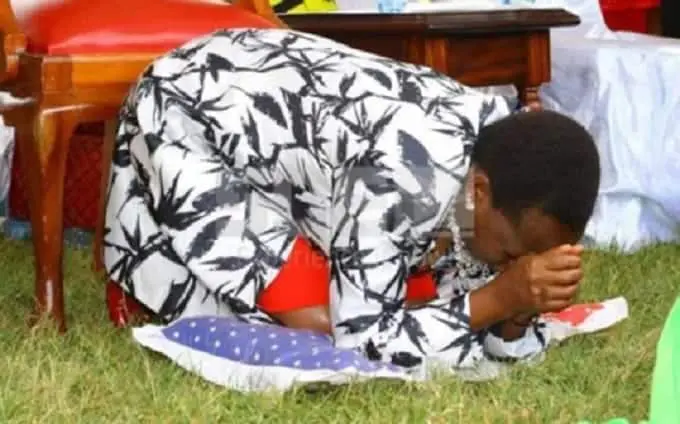
Dr. Ruto is married to Rachel Chebet Ruto, a woman who has kept a relatively low public profile compared to her husband’s fiery persona. Together, they have seven children. Rachel, a gospel artist and philanthropist, has focused on faith-based initiatives and child welfare.
The President often credits her stability and prayer life as anchors during the brutal 2022 campaign. In a politics often defined by noise, Rachel Ruto’s quiet grace has become a complementary force.
The Policy Engine: What Ruto Promised
Beyond the personality, the platform matters. Dr. Ruto campaigned on four transformational pillars:
Bottom-up economic model – shifting resources from consumption to production, prioritizing the informal sector (jua kali), cooperatives, and smallholder farmers.
Manufacturing and value addition – moving Kenya from a raw commodity exporter to a producer of finished goods.
Universal health coverage – not just as a slogan, but as a budget priority.
Digital superhighway – leveraging Kenya’s tech talent to create 1.3 million digital jobs.
Early into his presidency, he signed the Affordable Housing Act, subsidized fertilizer (a nod to his Agriculture Ministry days), and initiated an ambitious Hustler Fund offering micro-loans to small-scale traders.
Whether history will judge these policies kindly remains unwritten. But the direction is unmistakable: Ruto is governing like a man who remembers Kamagut.
The Road Ahead
Three years into his term (as of 2026), President Ruto faces familiar African challenges: debt distress, a restless opposition, and the eternal demand for accountability. He has also made controversial moves – including proposed health levies and a controversial social health insurance transition.
Yet, for a man who started as a chicken seller, became a PhD, then Deputy President, and finally the first DP to directly win the top seat, the story is far from over.